Food Sources and Nutritional Variety

Understanding dietary diversity and nutrient-dense foods

The Role of Dietary Diversity

Dietary variety ensures intake of diverse nutrients with complementary roles in human physiology. Different foods contain different combinations of macronutrients, micronutrients, and bioactive compounds. Variety helps ensure comprehensive nutrient coverage.

Food Groups and Nutrient Profiles

Different food groups provide distinct nutrient combinations, making inclusion of various groups important for comprehensive nutrition.
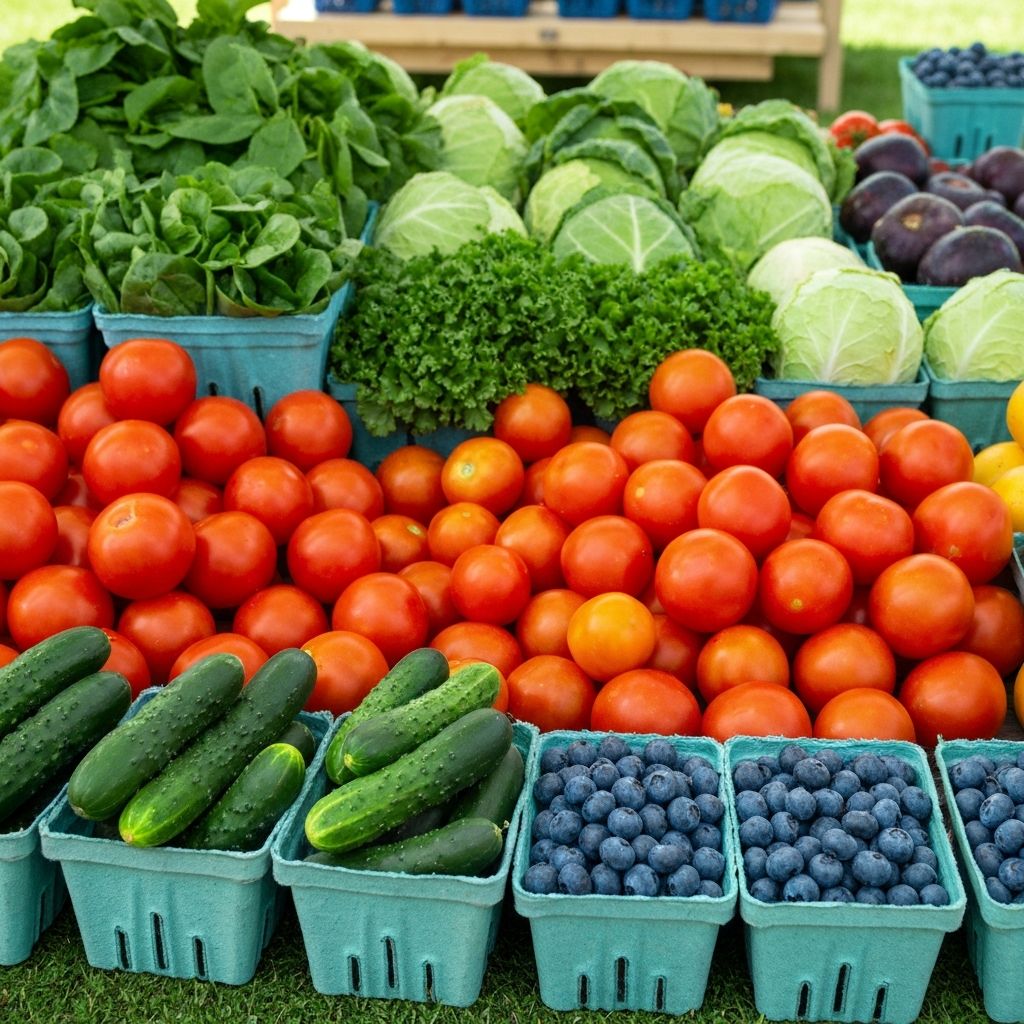
Fresh produce and natural food sources

Major Food Groups

Vegetables and Fruits

Rich in vitamins, minerals, fiber, and phytochemicals. Provide diverse micronutrients and bioactive compounds with minimal caloric density. Variety in colors indicates different nutrient profiles.

Grains and Starches

Primary carbohydrate sources providing energy, fiber, and B vitamins. Whole grain varieties retain more nutrients than refined versions. Diversity among grains provides different nutrient profiles.

Proteins

Include animal and plant sources providing amino acids and various micronutrients. Different sources offer different nutritional profiles, fats content, and bioavailability characteristics.

Dairy and Alternatives

Traditional dairy provides protein, calcium, and other micronutrients. Plant-based alternatives offer diverse nutrient profiles. Fortification varies between products.

Fats and Oils

Essential for nutrient absorption and hormone production. Different sources provide different ratios of saturated and unsaturated fats. Variety ensures balanced fatty acid intake.

Legumes and Nuts

Nutrient-dense foods providing protein, fiber, minerals, and healthy fats. Offer diverse micronutrient profiles and phytochemicals with potential health benefits.

Nutrient Density Concept

Understanding Nutrient Density

Nutrient density refers to the amount of nutrients relative to caloric content. More nutrient-dense foods provide greater nutritional benefit per calorie consumed. This concept helps understand nutritional quality independent of quantity.

Individual Needs and Preferences

Optimal food choices depend on individual health status, activity level, food preferences, cultural background, and accessibility. There is no universal "best diet" as individual circumstances vary substantially.

Food Synergies

Nutrients consumed together may have different effects than nutrients consumed in isolation. Food combinations, preparation methods, and timing influence nutrient bioavailability and physiological effects.

Dietary diversity represents one of the most reliable approaches to ensuring comprehensive nutrition, acknowledging the complexity of human nutritional needs.
Educational Content Disclaimer: This information is for educational purposes only. It does not provide individual dietary recommendations, nor does it replace personal decisions or medical advice. Dietary needs vary significantly based on numerous individual factors. For personalized dietary guidance, consult qualified healthcare professionals or registered dietitians.