Understanding Energy Balance

The scientific foundation of caloric metabolism

Foundational Concept

Energy balance represents the relationship between energy consumed through food and energy expended through metabolic processes, physical activity, and daily functioning. This fundamental principle in nutritional science explains how the body manages energy at the most basic level.

Components of Energy Balance

Energy Intake: The calories and nutrients consumed through food and beverages. Different macronutrients (carbohydrates, proteins, fats) provide varying amounts of energy.

Energy Expenditure: The total calories used by the body for basal metabolism, digestion, physical activity, and thermoregulation. This includes resting metabolic rate and activity-related calories.
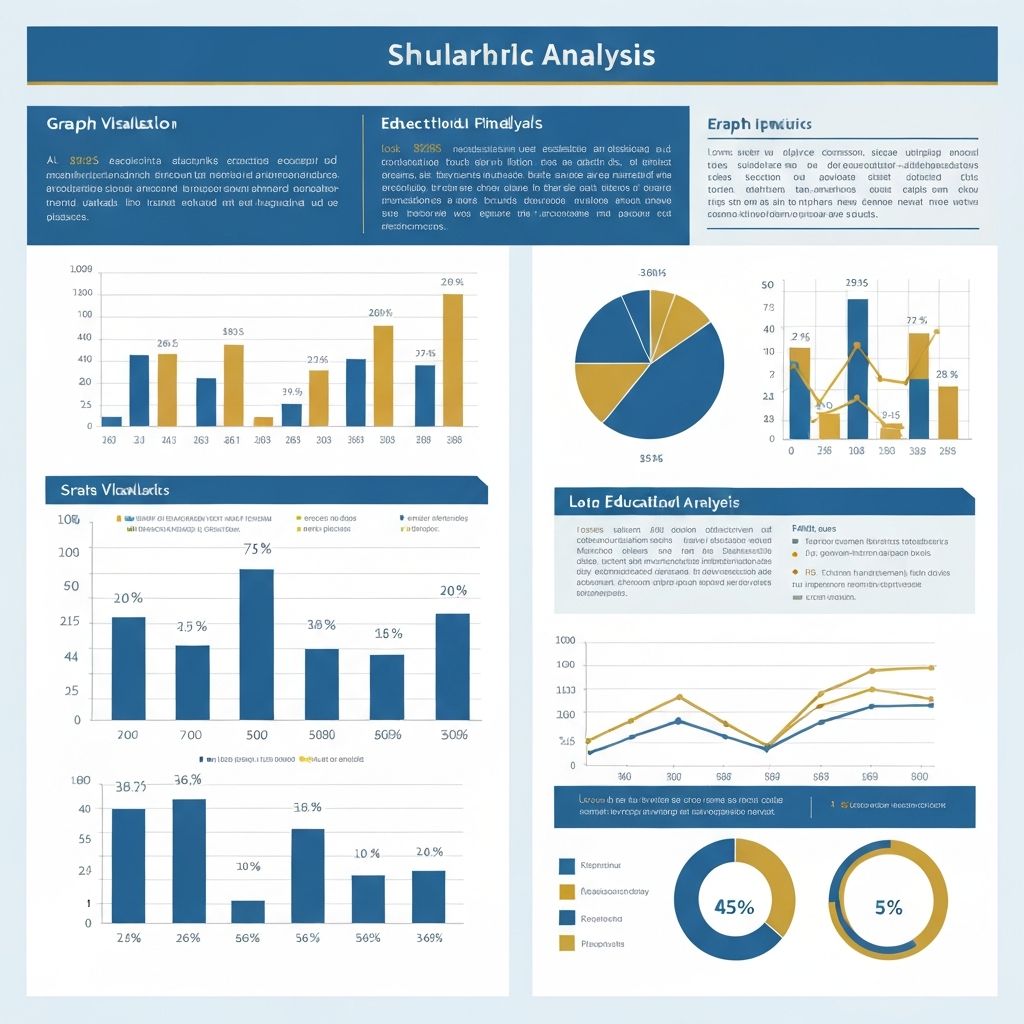
Energy balance scientific visualization

Understanding Equilibrium

Positive Balance

When energy intake exceeds expenditure, the body stores excess energy. This represents a state of energy surplus.

Equilibrium

When energy intake matches expenditure, the body maintains energy homeostasis. No net storage or depletion occurs.

Negative Balance

When energy expenditure exceeds intake, the body mobilizes stored energy. This represents a state of energy deficit.

Factors Affecting Energy Balance

Individual Variations

Energy balance varies significantly between individuals based on genetics, age, sex, body composition, activity level, and metabolic adaptation. No universal equation applies equally to all people. Scientific research demonstrates that individual responses to similar energy intake and expenditure differ substantially.

Metabolic Adaptation

The body demonstrates metabolic plasticity, adjusting energy expenditure in response to sustained changes in energy intake. This adaptive thermogenesis represents a complex physiological response that affects long-term energy balance.

Energy balance represents a starting point for understanding nutrition science, but individual complexity makes simple calculations insufficient for personalized health decisions.
Educational Content Disclaimer: This information is for educational purposes only. It does not provide individual recommendations, nor does it replace personal decisions or medical advice. Approaches to health and nutrition vary widely. Individual energy balance varies significantly based on numerous factors requiring personalized consideration.